

When Everything Feels Outside Our Control

One theme has come up repeatedly in conversations with leaders and teams across different organisations: right now very little feels within our control.
External forces are shifting rapidly. Geopolitical tensions, rapid advances in AI, shifting markets and organisational restructuring are creating an environment of constant change. Decisions appear to be made elsewhere. Priorities shift. Information changes constantly.
In this kind of environment, attention can easily drift toward issues we cannot influence, quietly absorbing time and energy.
I noticed a similar dynamic during the COVID pandemic, when uncertainty was high and many people felt events were unfolding beyond their control.
One helpful shift is when we move our attention from concern to influence – a principle Stephen Covey illustrates through the distinction between our circle of concern and circle of influence.
These kinds of forces often cascade into organisational changes such as restructuring — where many of the decisions shaping our work sit several levels above us.
A good example of this came up during a leadership workshop I was facilitating recently.
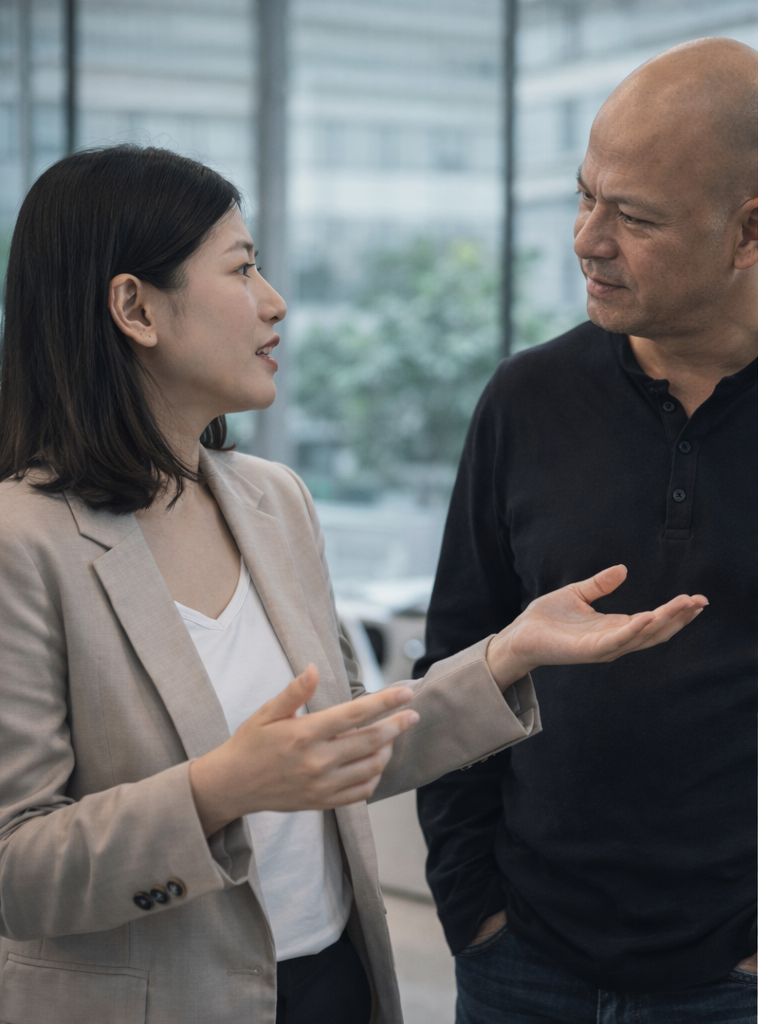
One participant shared a challenge her team was facing. A restructuring announcement had been made, but many details were still unclear. Her team was anxious and constantly asking questions she couldn’t answer.
At first she felt there was little she could do. The key decisions were being discussed several levels above her, so she assumed she simply had to wait for more clarity. But when she paused and asked herself a different question —
“Who can I influence, and how?” — her perspective began to shift.
A few weeks after the workshop she shared what happened. She reached out to two senior stakeholders involved in the restructuring discussions and shared the concerns her team was raising. She also suggested a short communication update to help reduce uncertainty.
The result?
Within a week, leadership agreed to provide clearer interim guidance to managers, giving her team more transparency and reassurance.
The broader restructuring decisions had not changed.
But once her attention moved from concern to influence, new options began to appear.
During uncertain periods it can help to lean out and ask:
• What is actually within my control right now?
• Where might I still be able to influence the situation?
• Where am I currently investing my time and attention?
In uncertain times we cannot control everything.
But we can always choose where we focus our energy.
And sometimes, that shift makes a bigger difference than we expect.
当很多事情似乎不在我们掌控之中
最近几个月,在和不同公司的领导者和团队交流时,我经常听到一个相似的感受:
现在很多事情,好像都不在我们的掌控之中。
外部环境变化得很快。
地缘政治的紧张局势、人工智能的发展、市场变化,以及公司的组织调整,都让工作环境变得更加不确定。很多决策似乎是在别的地方做出的。优先事项在变化,信息也在不断更新。
在这样的环境下,我们很容易把注意力放在那些自己无法影响的事情上,不知不觉就消耗了很多时间和精力。
我在新冠疫情期间也看到过类似的情况。当时不确定性很高,很多人都觉得事情的发展并不在自己的掌控之中。
有一个很有帮助的转变,就是把注意力从“担心”转向“可以影响的事情”。
斯蒂芬·柯维(Stephen Covey)曾用“关注圈”和“影响圈”来解释这个想法。
这些外部变化,往往会带来公司内部的变化,比如组织重组。在这种情况下,很多重要决定通常是在我们之上的层级做出的。
我最近在一次领导力工作坊中听到了一个很好的例子。
一位参与者分享了她团队遇到的一个情况。公司宣布将进行组织重组,但很多细节还没有确定。
她的团队感到很焦虑,不断问她一些她也无法回答的问题。
一开始,她觉得自己好像也做不了什么。很多关键决定都在更高层讨论,所以她以为只能等消息。
后来,她停下来问了自己一个不同的问题:
“我可以影响谁?我可以怎么做?”
这个问题改变了她的思路。

几周之后,她告诉我后来发生的事情。
她主动联系了两位参与重组讨论的关键负责人,把团队的担忧告诉了他们。同时,她也建议发布一个简单的沟通更新,帮助减少大家的不确定感。
结果呢?
一周之内,公司领导同意给管理者提供更清晰的阶段性信息,这也让她可以向团队解释更多情况,让大家更安心。
公司的重组决策本身并没有改变。
但当她把注意力从担心转向影响力时,新的可能性开始出现。
在不确定的时期,我们可以停下来问自己几个问题:
• 现在哪些事情是我可以控制的?
• 哪些事情我还可以产生影响?
• 我现在把时间和注意力放在哪里?
在不确定的时代,我们无法控制所有事情。
但我们始终可以选择,把精力放在哪里。
有时候,这样的小小转变,会带来比我们想象更大的影响。